Mombrini
DESIGN MOMBRINI
We design tailor-made solutions for every production need, combining experience, innovation and high-quality materials. Each flooring solution is developed through careful technical analysis to ensure functionality, safety and long-term durability.
Discover more
Design
Phases
Design of the drainage layout

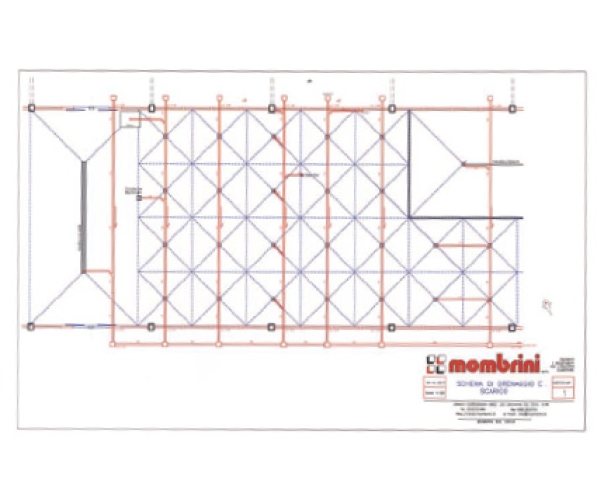
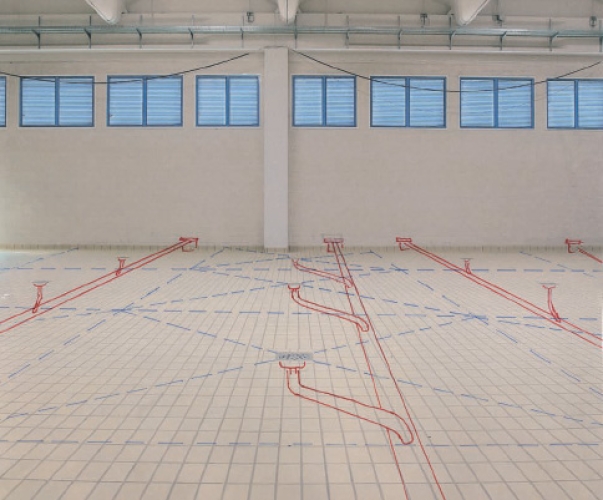
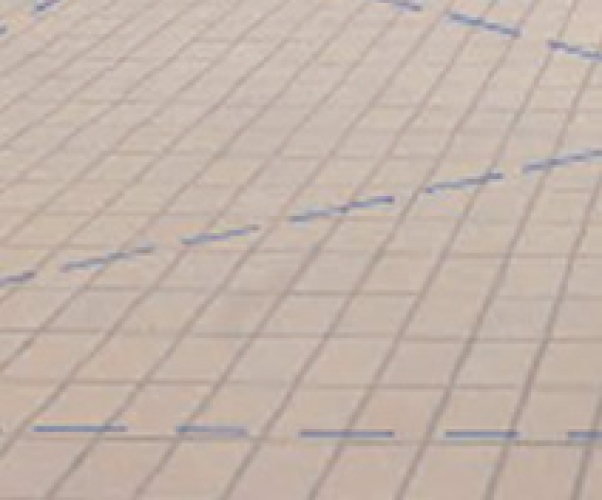
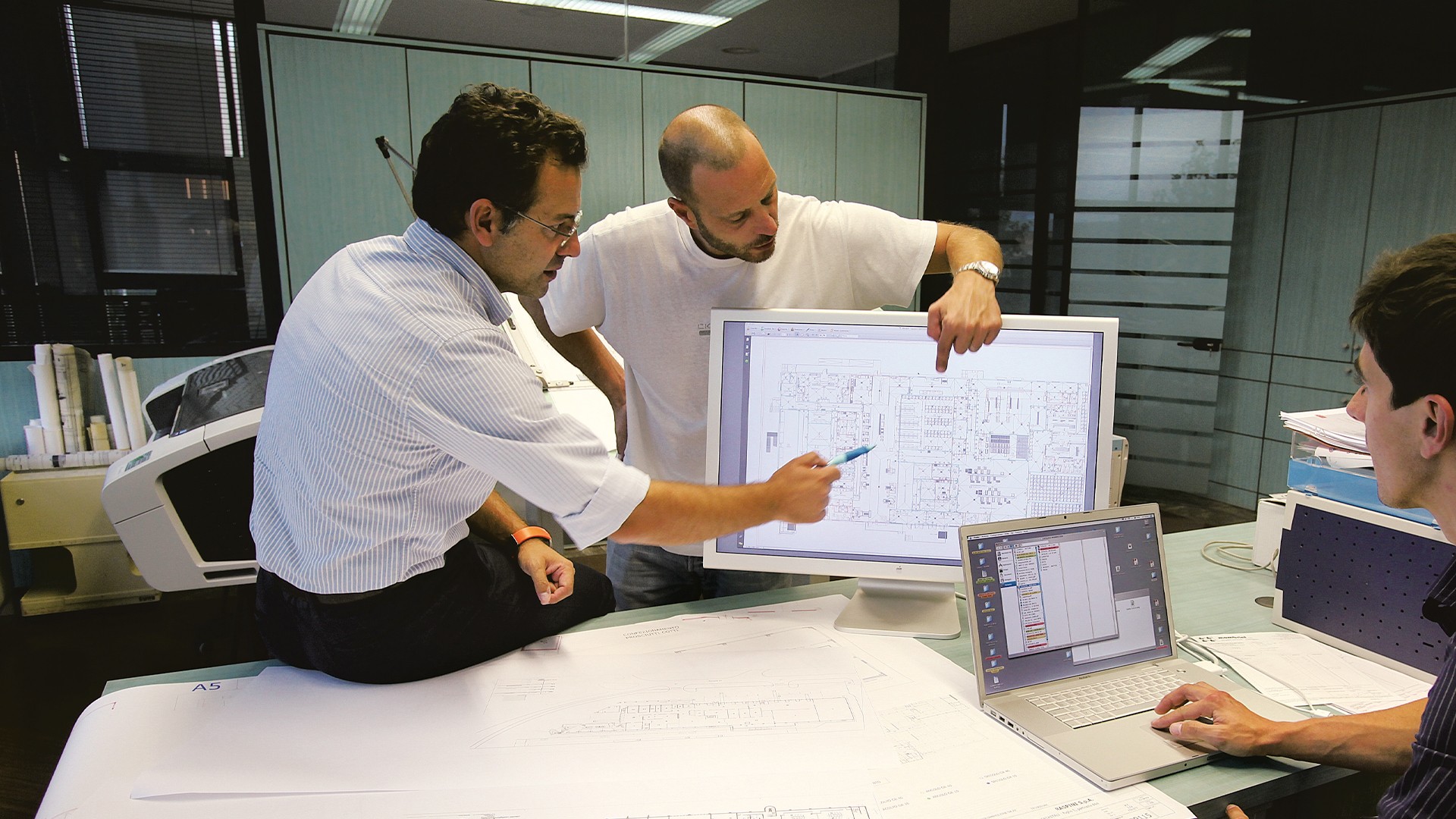
Mombrini’s technical department places over 60 years of experience at the client’s service in studying the type of drainage system (linear or point), calculating the relevant catchment areas, and determining their correct positioning. As shown alongside, this results in a drawing that represents the slope layout, which is then also marked directly on the floor, defining its height profile.

Selection of the drainage system model

There is a large stock of drain cover and channel models available; no school teaches the correct way to choose them, but Mombrini’s experience can guide you by recalling, for each different intended use of the space, the successes and mistakes of the past.

Sizing of the drainage network

Once the above has been selected, it is possible to proceed with the design, sizing, dimensioning, and choice of materials to be used for the “special” drainage system. Here too, only experience has enabled Mombrini to provide you with highly valuable technical support, making use of calculation tables differentiated for each sector of the food industry.

Preparatory works
Preparatory works

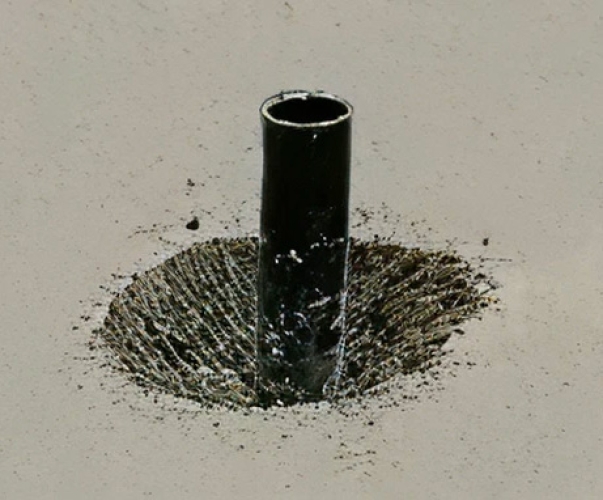
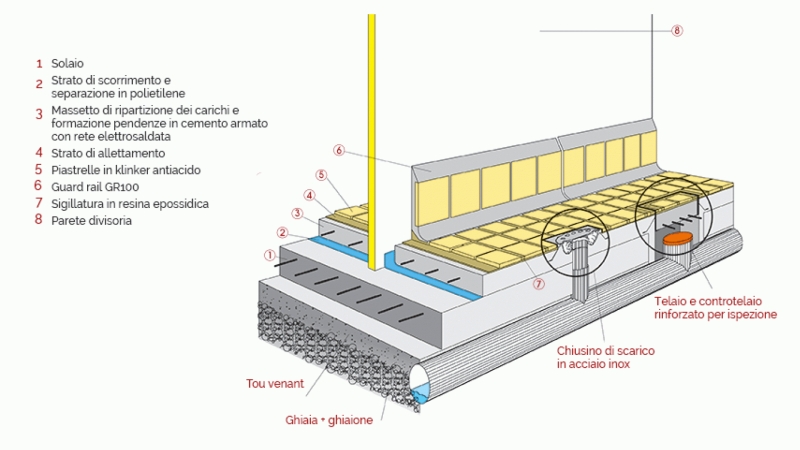
Photo 1 shows the drainage provision near a future drain cover, channel, or clean-out, while Photo 2 shows it near an inspection chamber. Of course, there are a whole series of construction details that the building contractor must prepare—for example near loading bays, in-floor scales, plinths for any machinery, etc.—for which Mombrini’s technical office is available to help find the right solution.

Use of sandwich panels

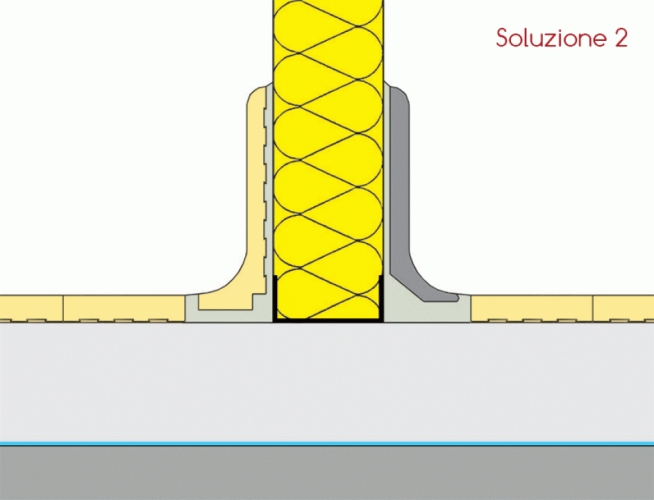
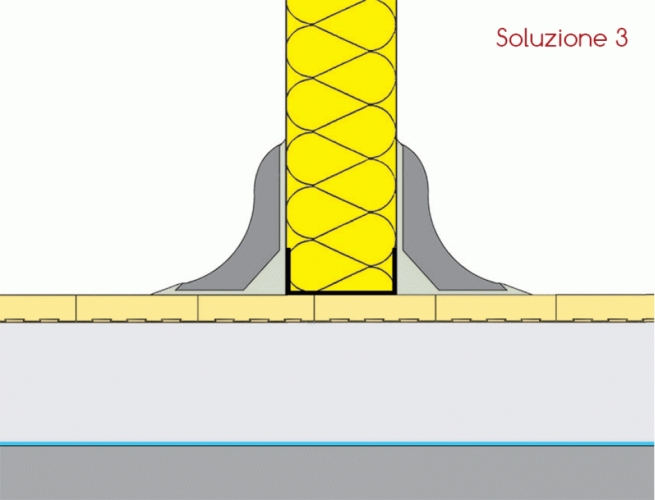
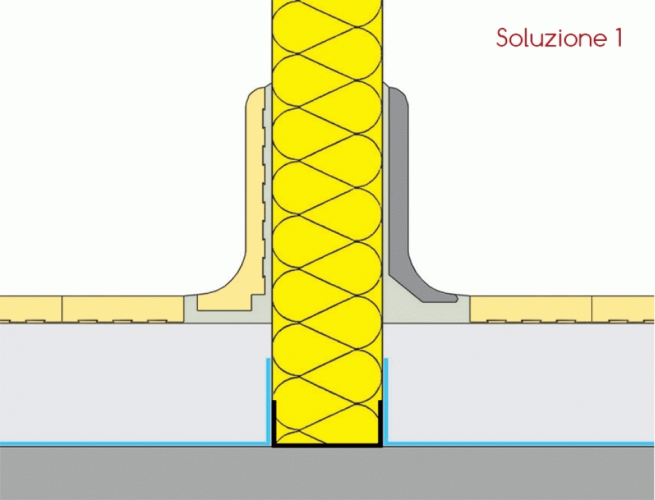
In the case of using sandwich panels as partition and/or perimeter walls, there are three possible positioning options; the choice of the exact solution depends on the thermo-hygrometric conditions of the rooms, on the slope layout, and on the type of cove that will be used (in fact, only solutions 1 and 2 allow the use of recessed coves, while solution 3 requires the use of surface-mounted coves).

Flooring
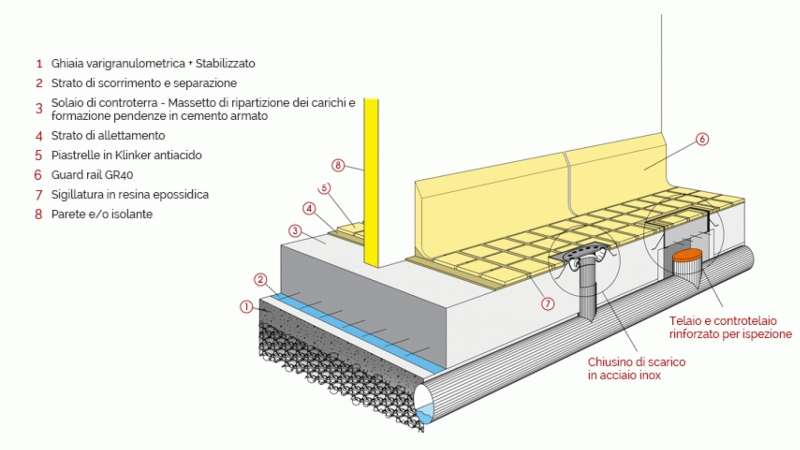
Reverse flooring
Reverse flooring

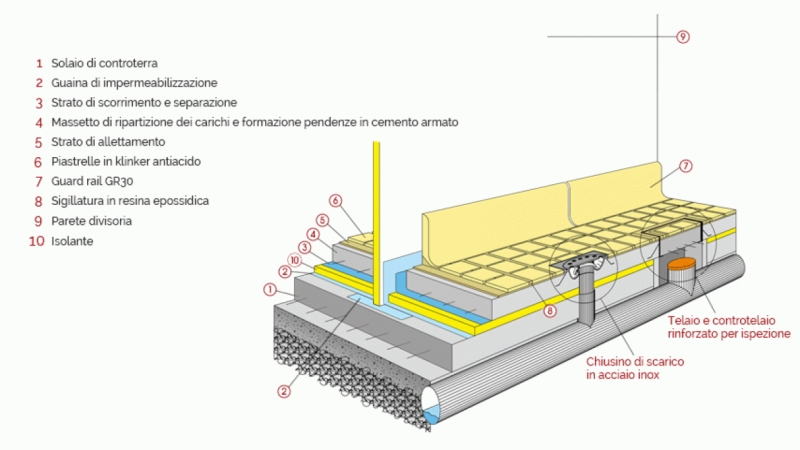
It differs from the classic stratigraphy due to the introduction of an insulating layer (for the characteristics of which please consult our technicians); it also differs from option 4 because of the inclusion of an insulating layer. This is the typical case of a first-floor cold room.


Insulated ground contact

It differs from traditional flooring because an insulating layer is added to the stratigraphy. It is usually used for cold rooms on the first floor.
 
 
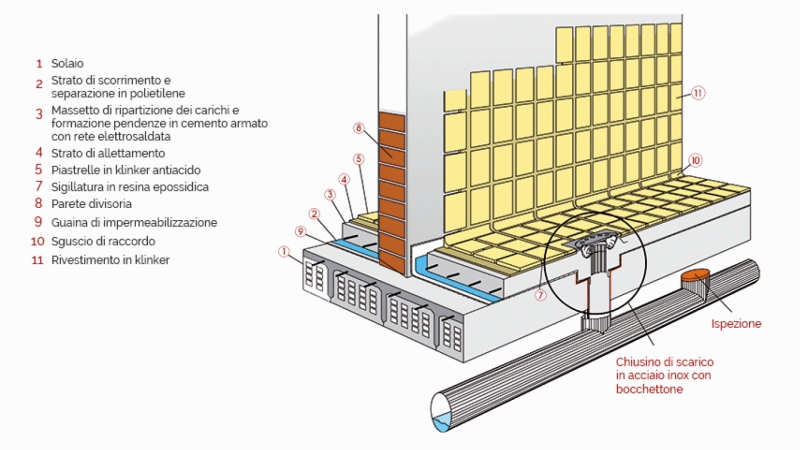
Monomassetto retaining walls

This is the typical case in which it is preferable to construct a single concrete sub-base.

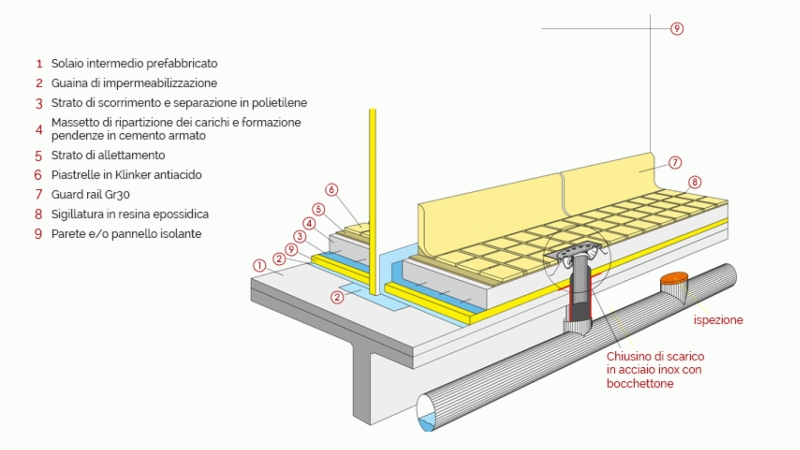
Flooring of ground floor

This is the typical case of a floor on an intermediate level, where it is essential to install the waterproofing membrane using appropriate measures near the walls and the drains.

 
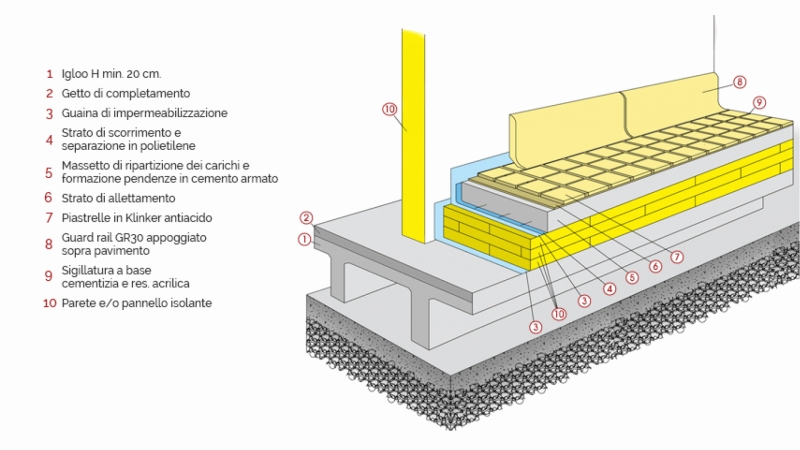
Flooring of ground floor

It differs from an intermediate floor slab due to the addition of an insulating layer. This is the typical case of a cold room on the first floor.


cells of low temperature

For rooms with temperatures below −5°, it is necessary to construct a ventilated crawl space, suitably connected to the outside to prevent humidity from causing problems with ice formation.


Installation
Preparation of the laying surface

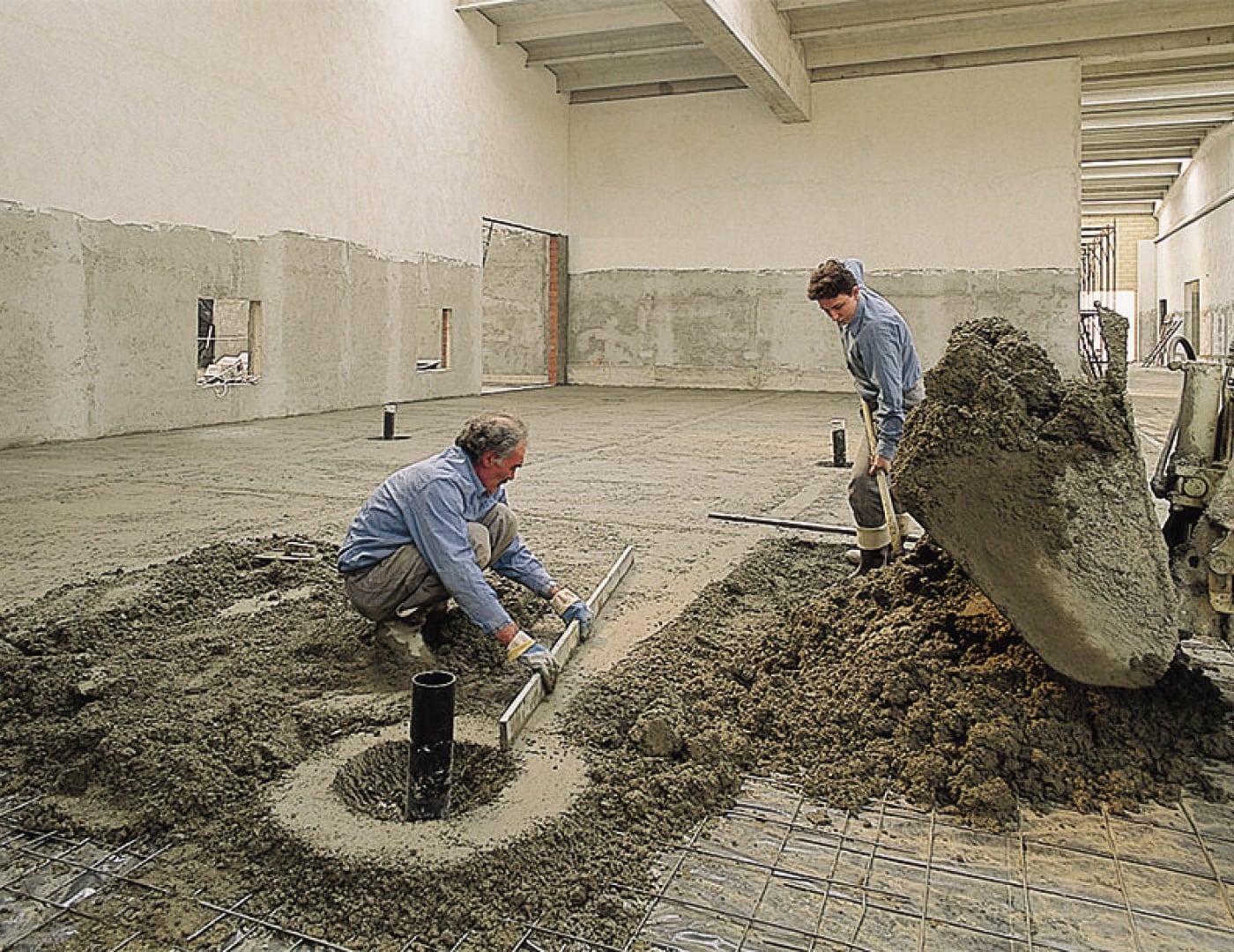
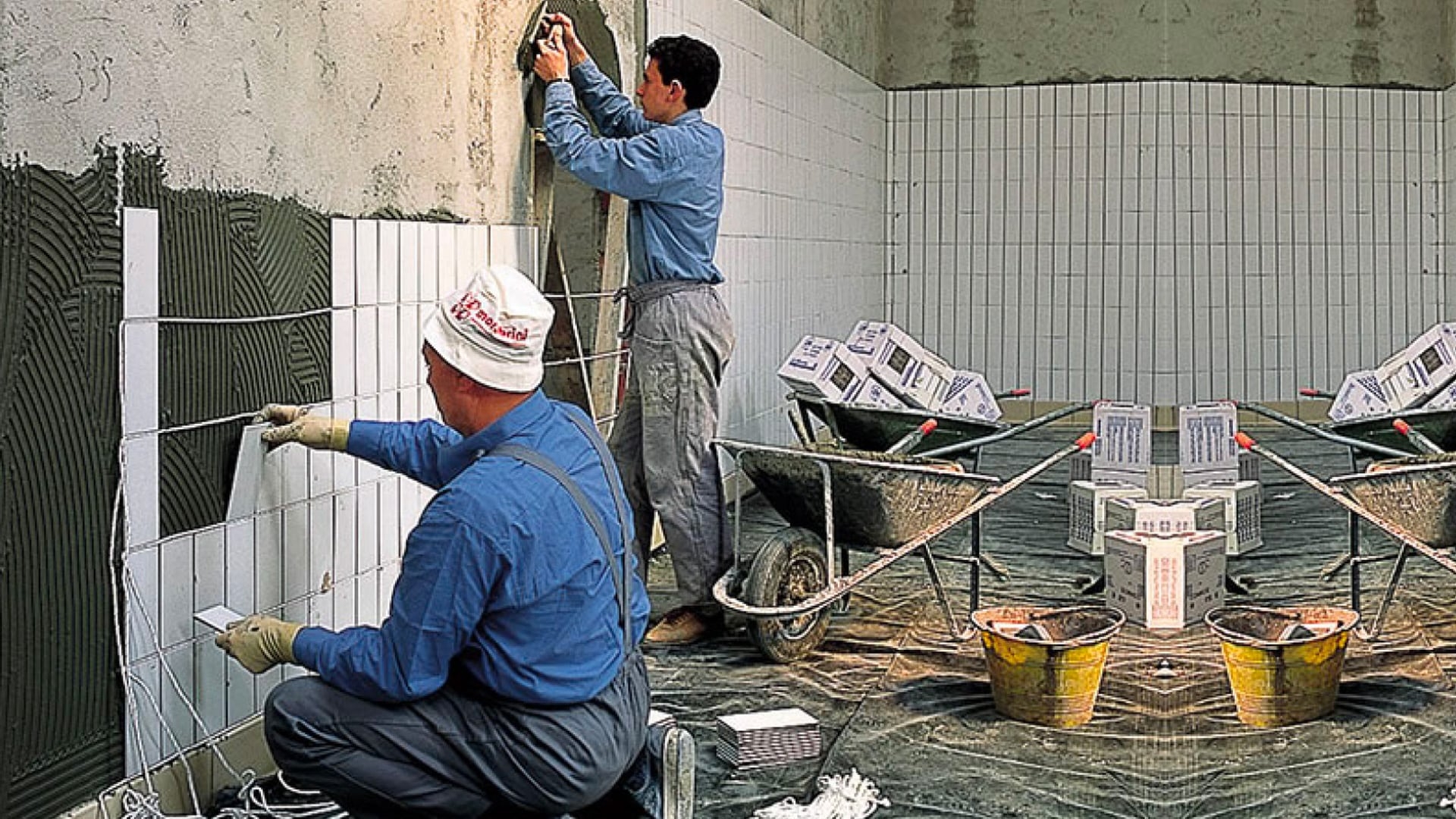
Even seemingly minor operations can contribute to the proper performance of the entire flooring system: the slight upturn of the polyethylene sheet, the overlaps of the welded wire mesh sheets, and the clear separations between concrete pour sections, as well as the use of structural polypropylene fibers, all ensure that the functions of the individual layers are carried out as effectively as possible.

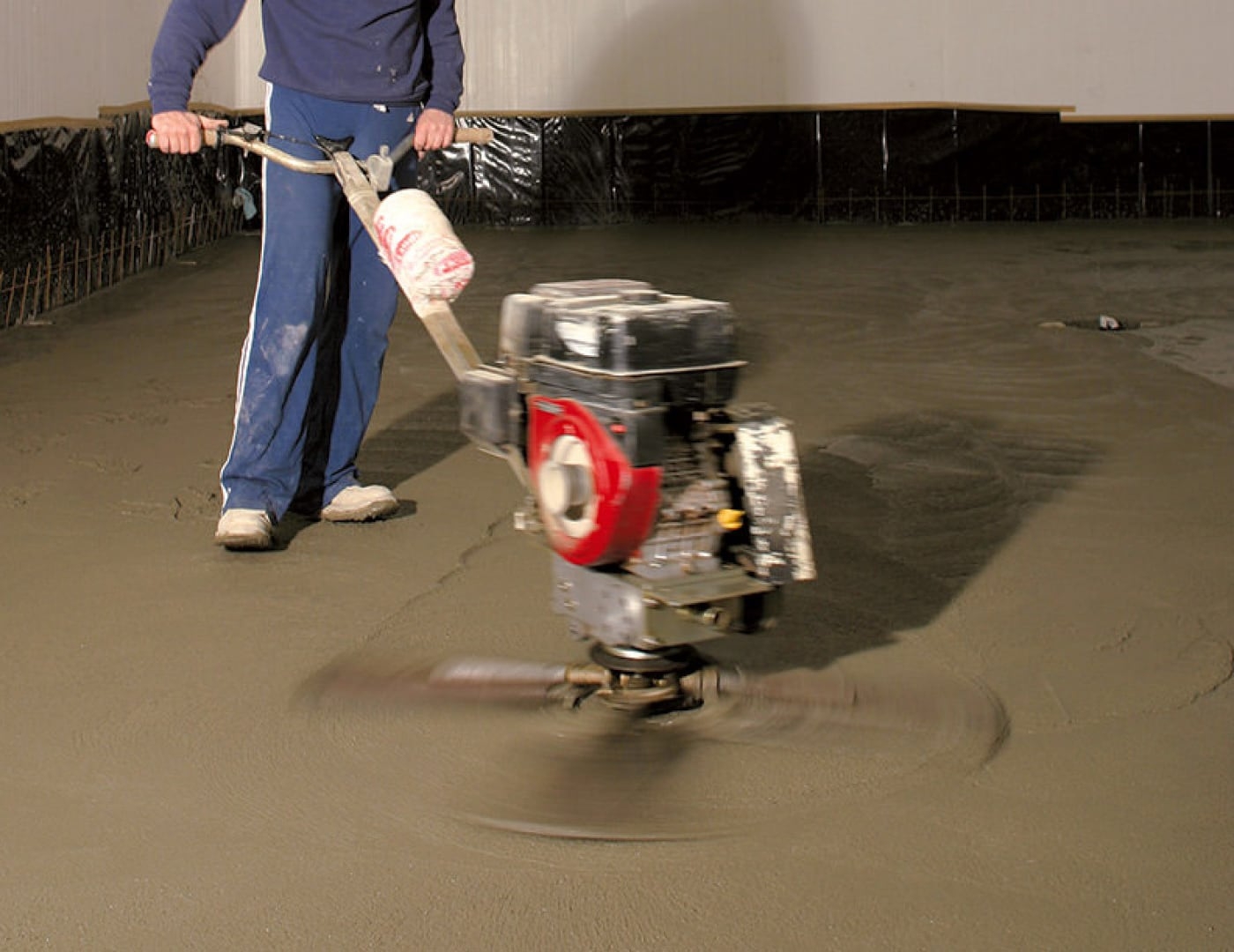
In addition, choosing the “fresh-on-fresh” pouring method—where leveling the plastic concrete with a screed prevents the mix water from rising to the surface, which would otherwise seal the pores and impair the bonding capacity of the tile bedding layer—plays an important role.

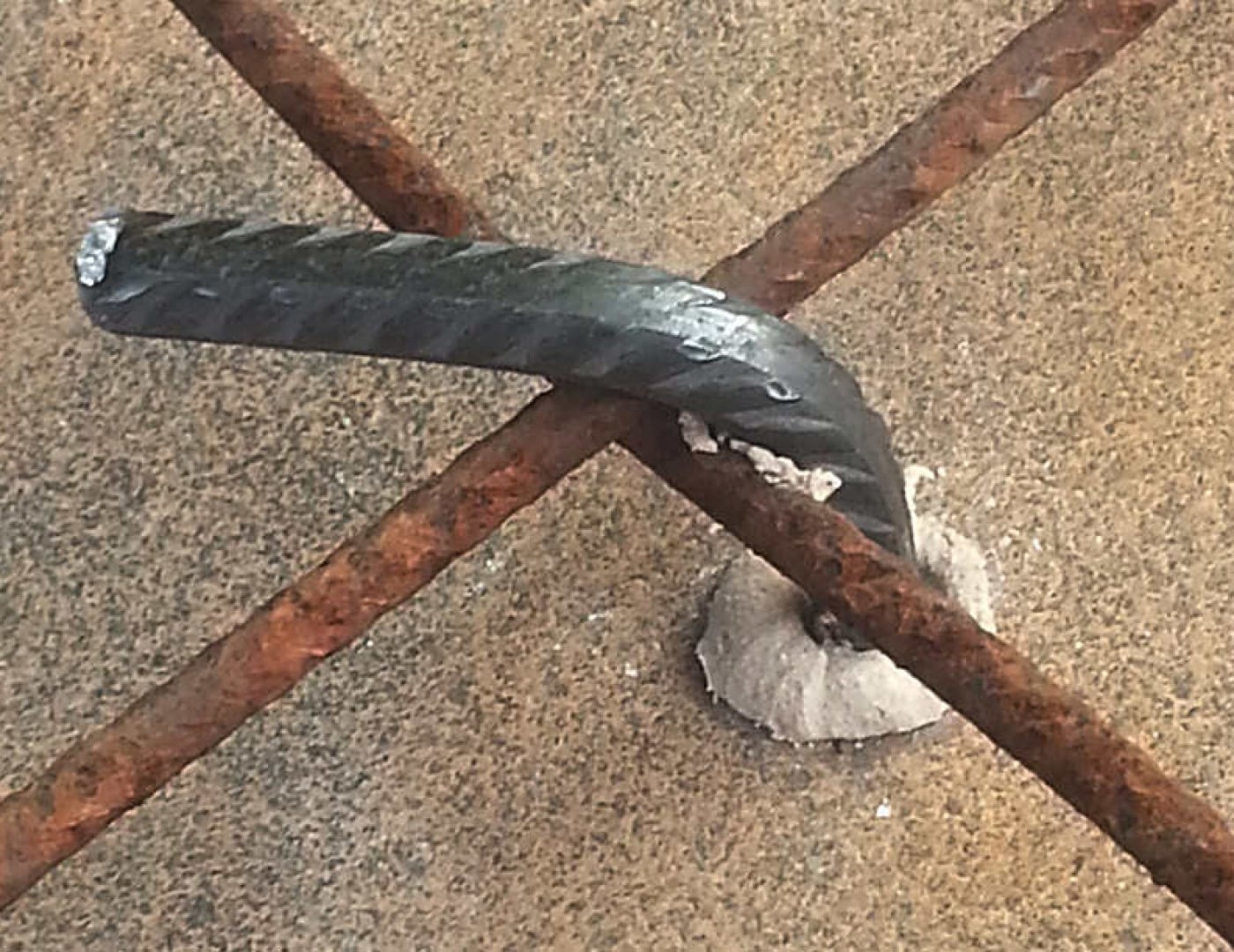
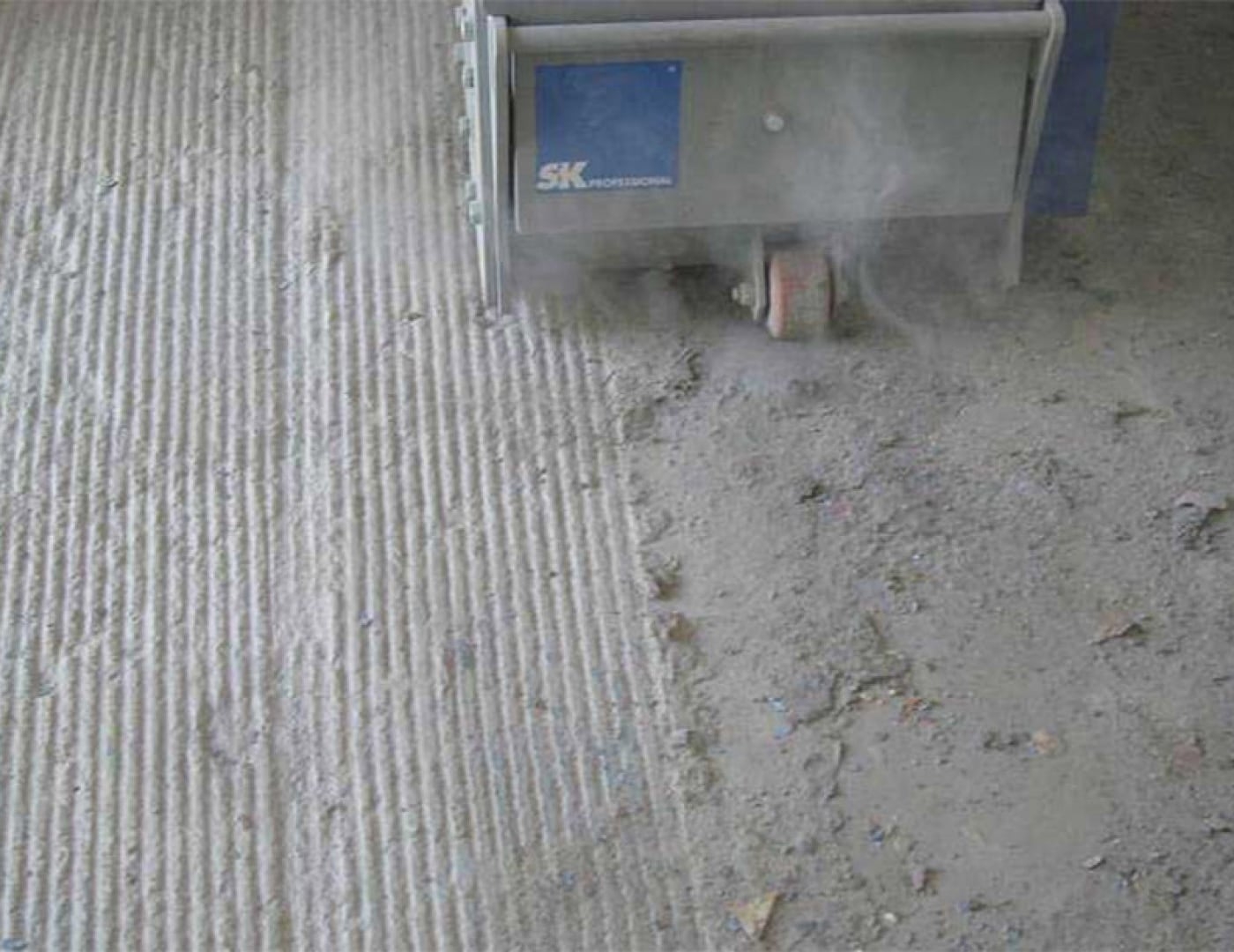
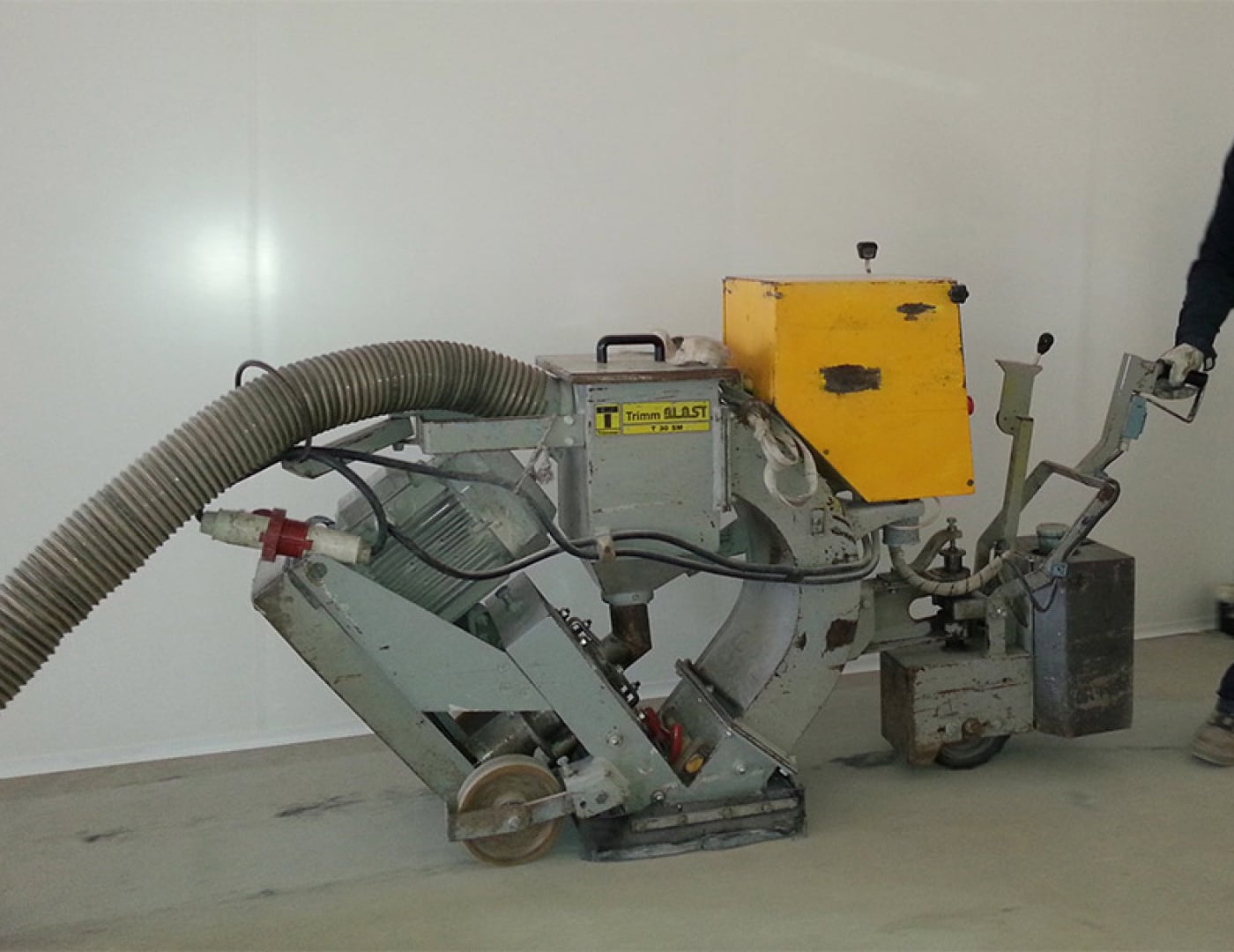
Another option is to use a reinforced concrete sub-base treated with CEMENTQUARZ, an exclusive Mombrini product for adhesive (“glue-set”) tile installation. The anchoring of the reinforcement, shot blasting and/or milling are operations whose necessity will be assessed by our technicians.

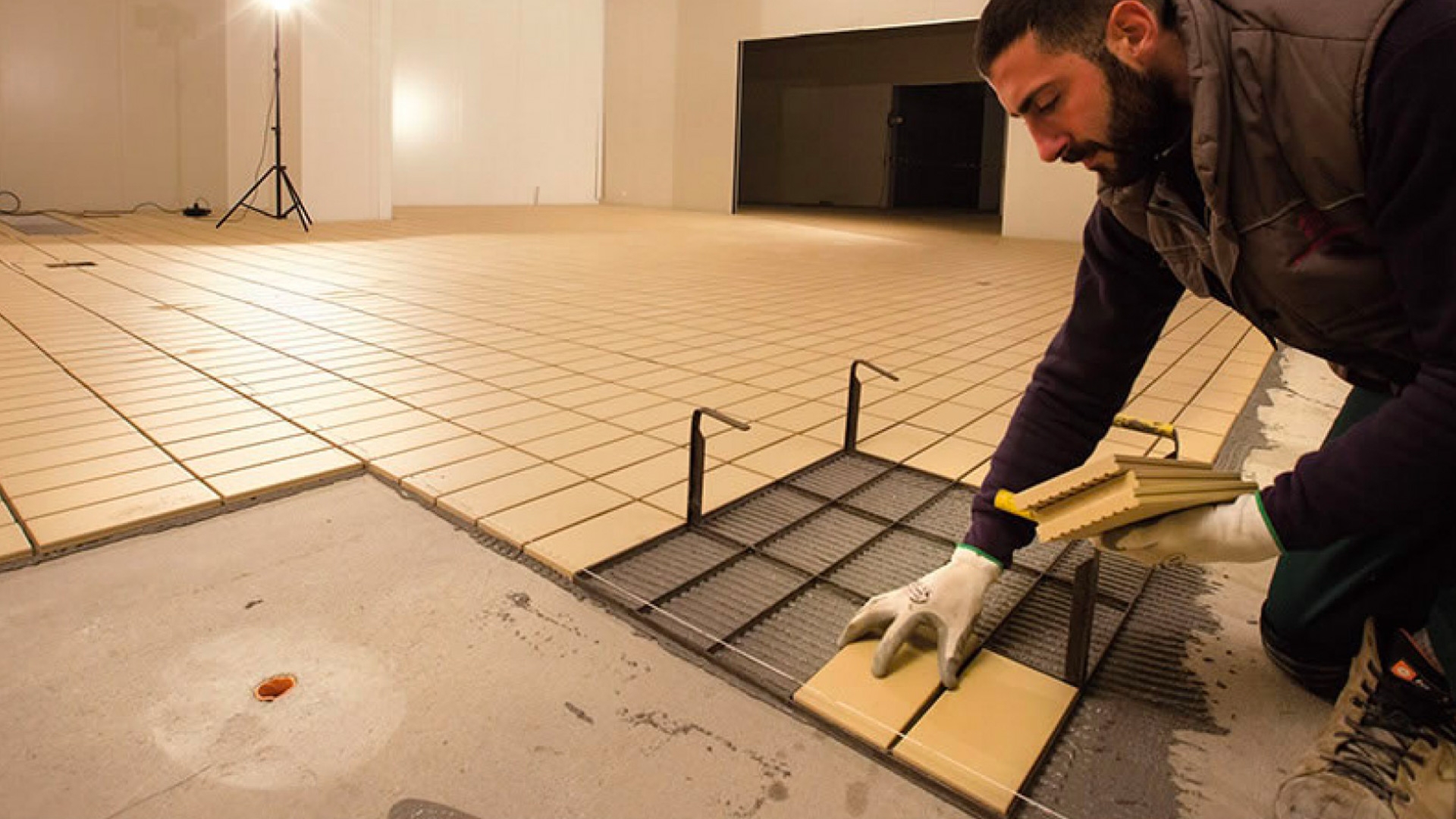
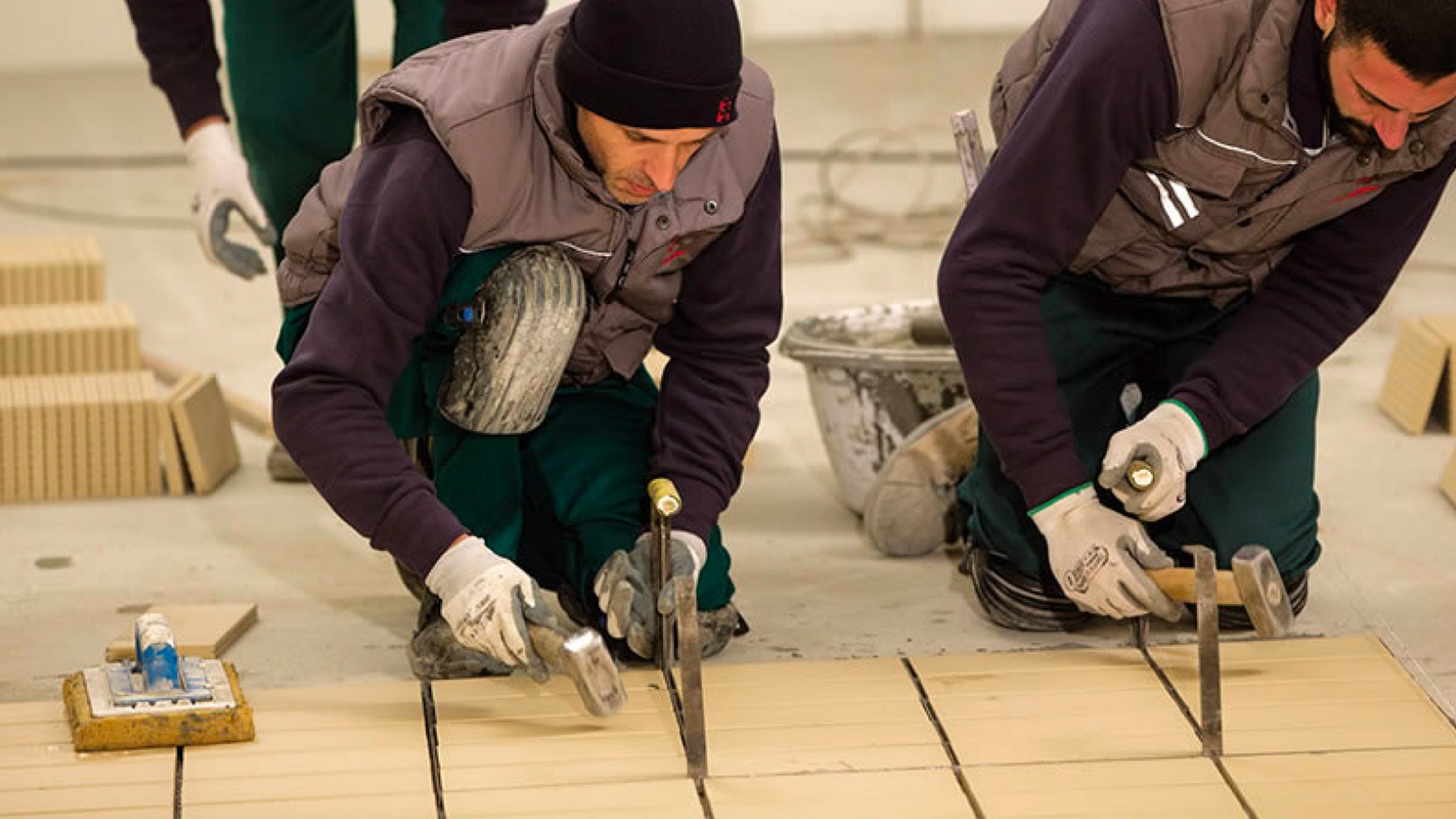
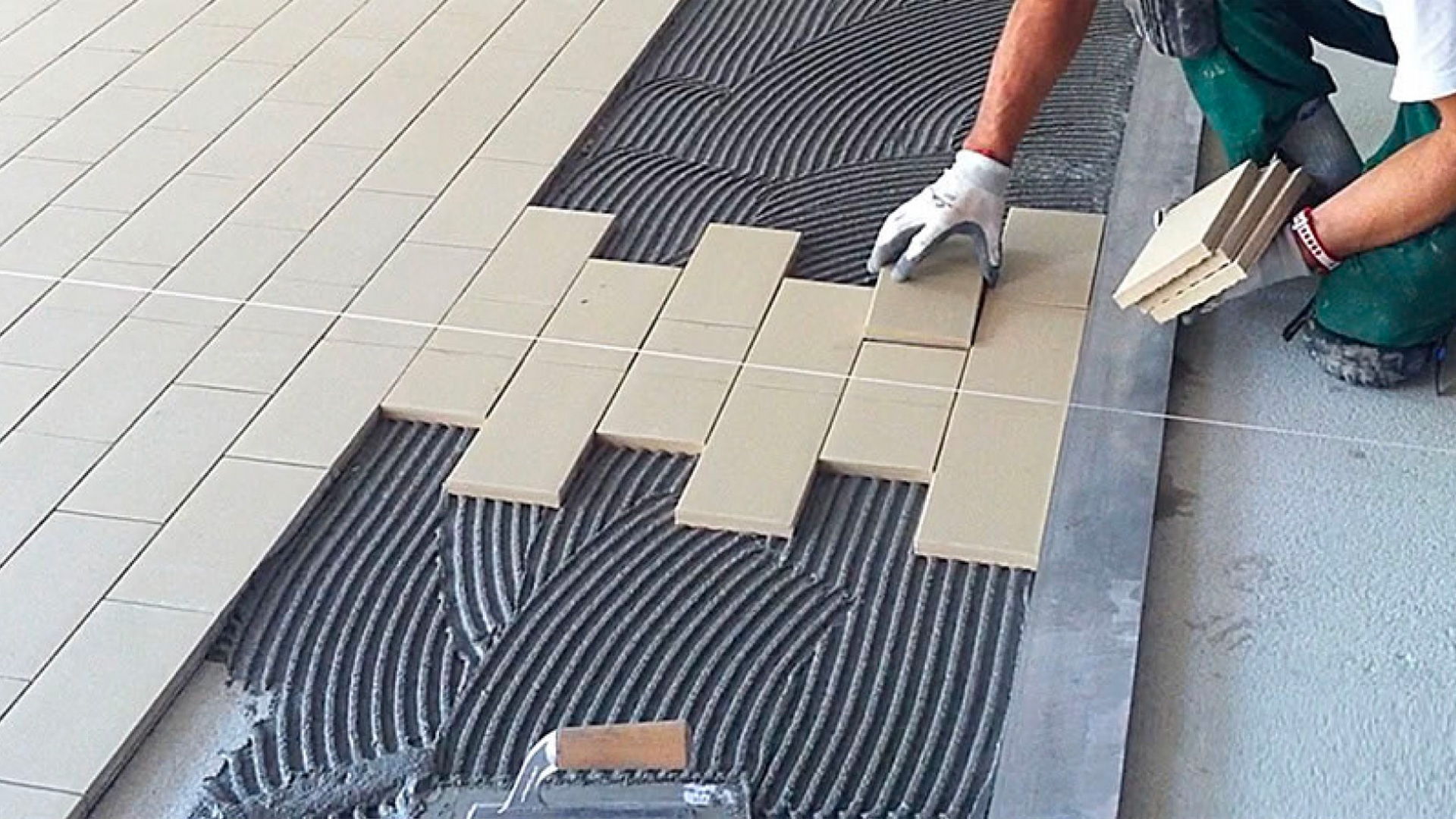
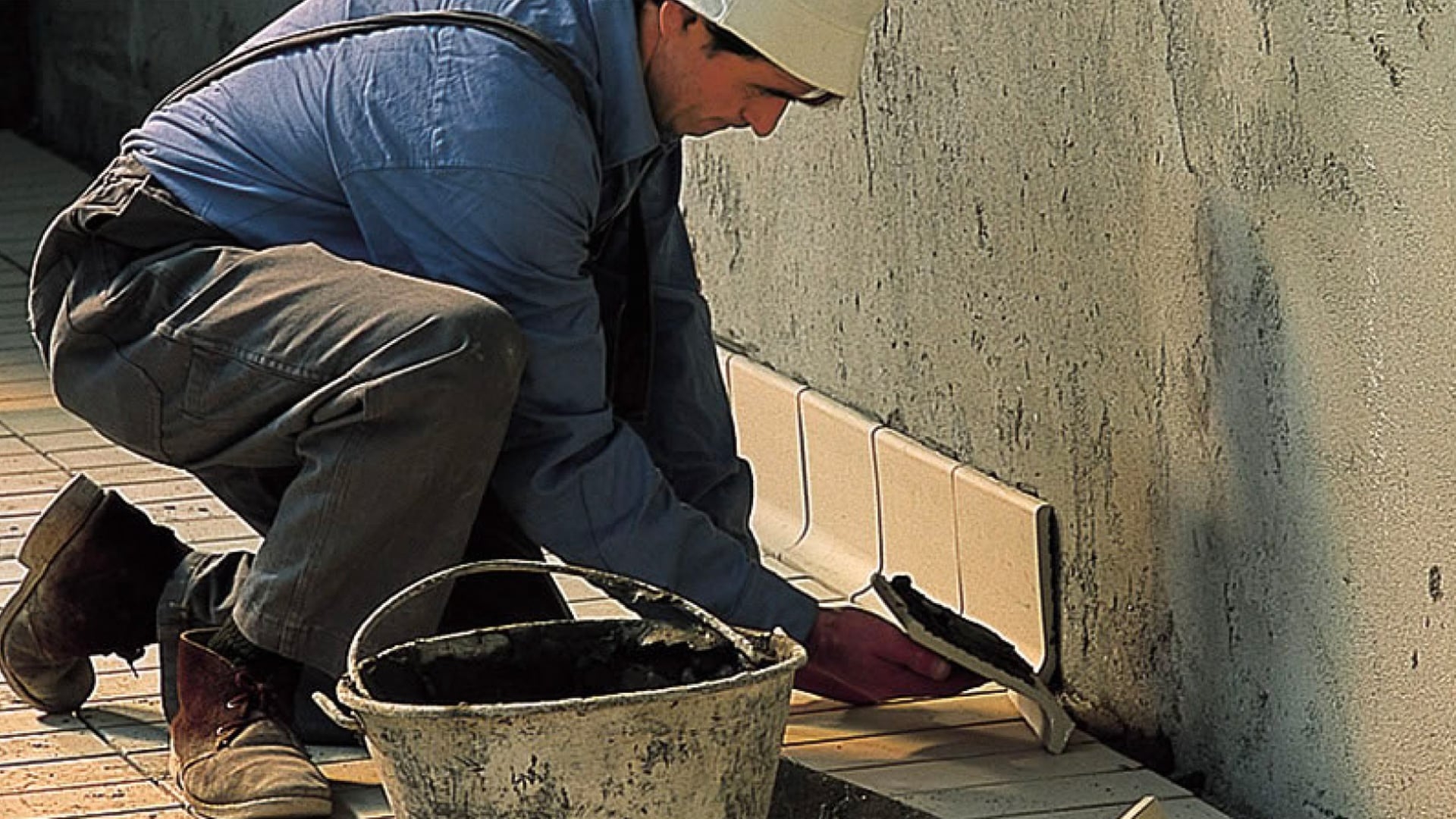
Tile installation
Tile installation
Floor sealing
Floor sealing

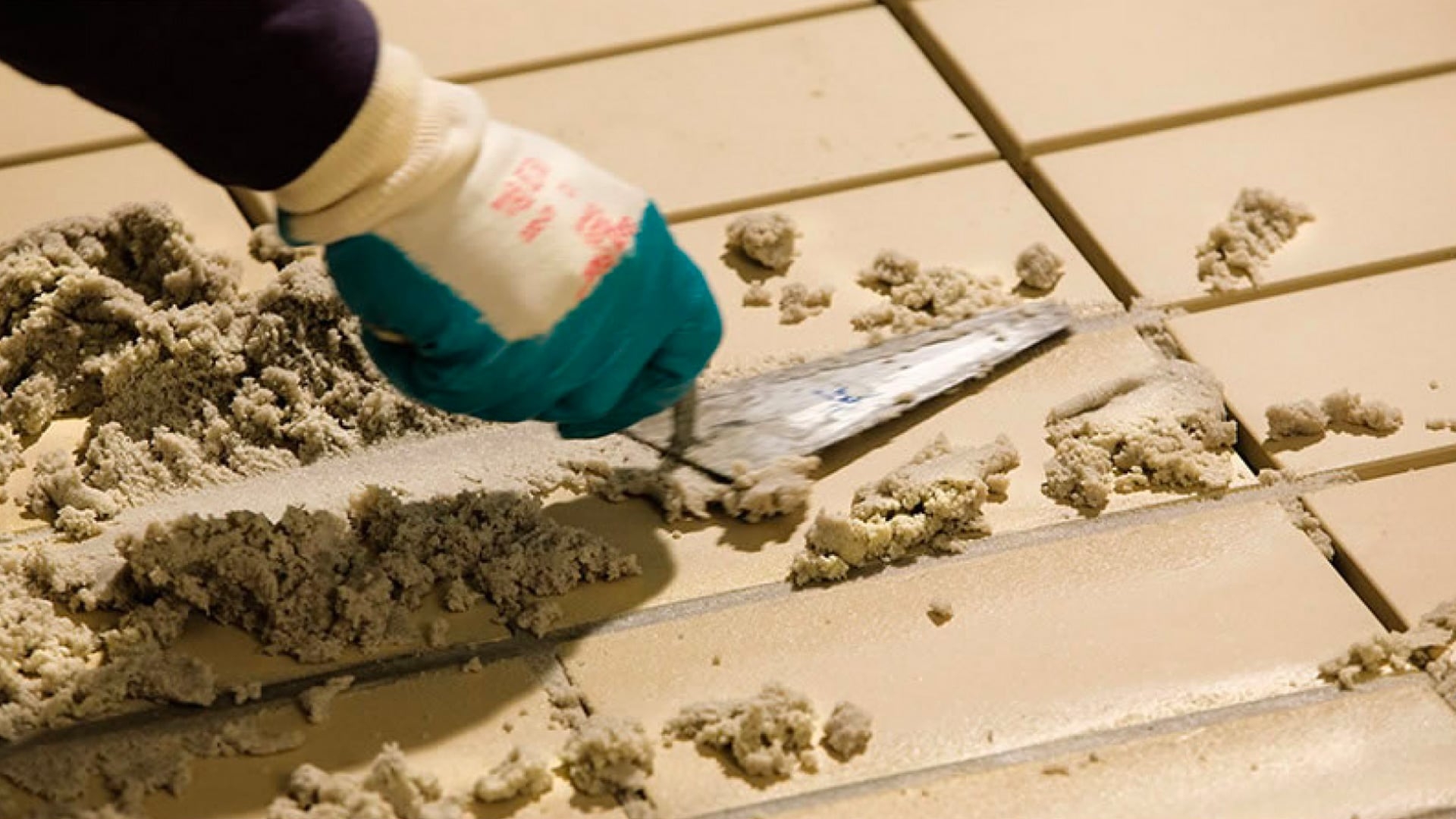
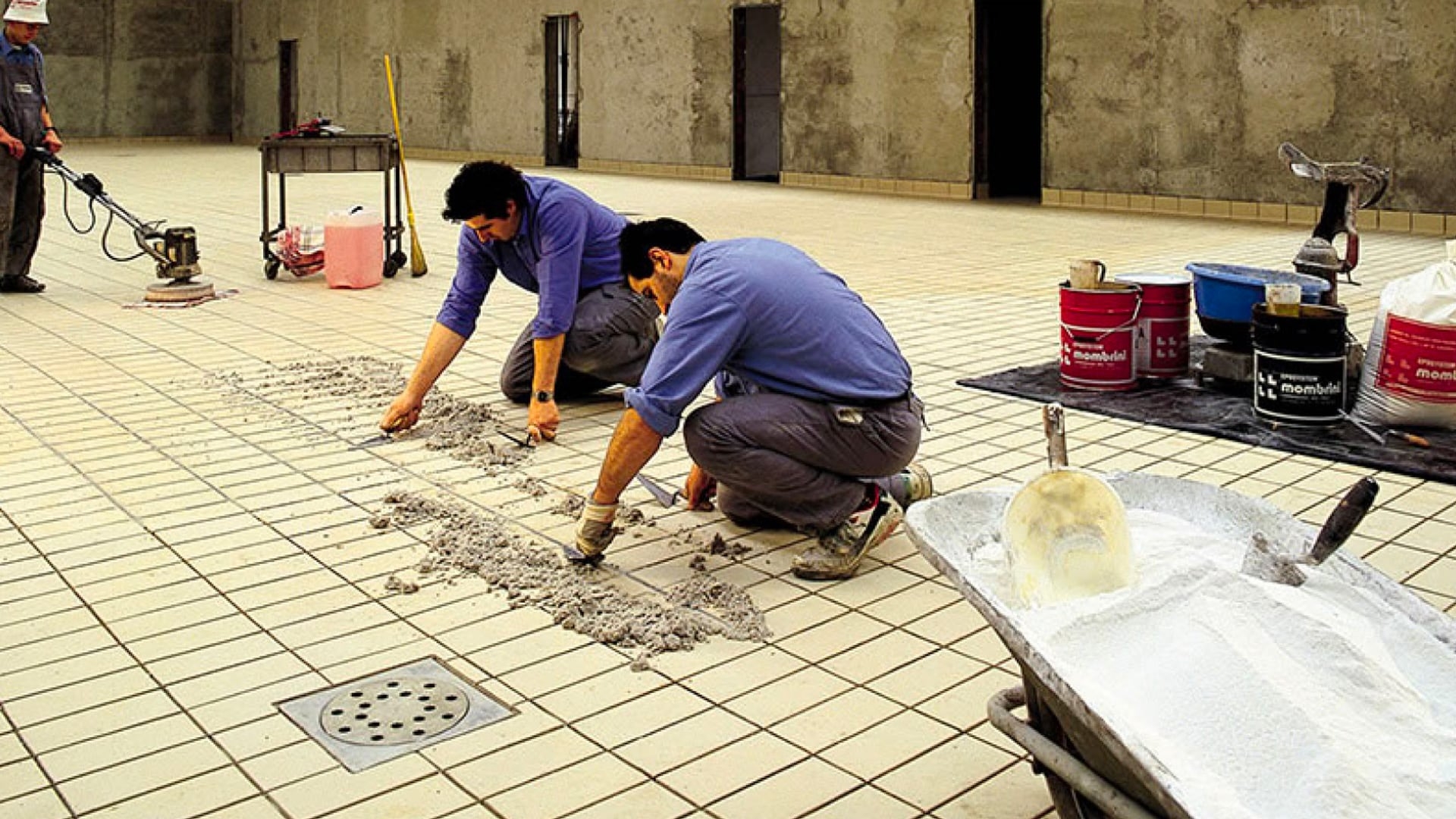
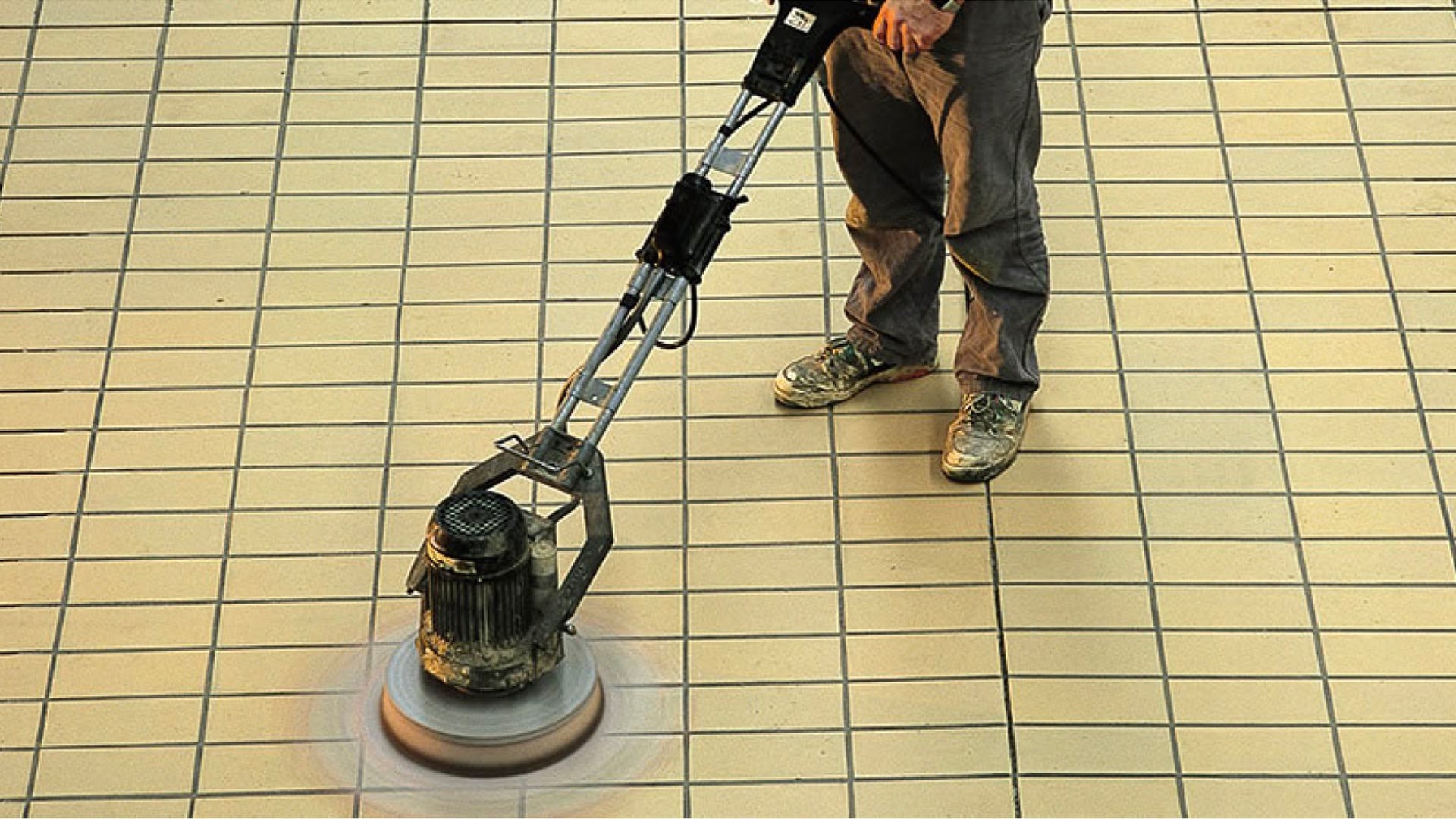
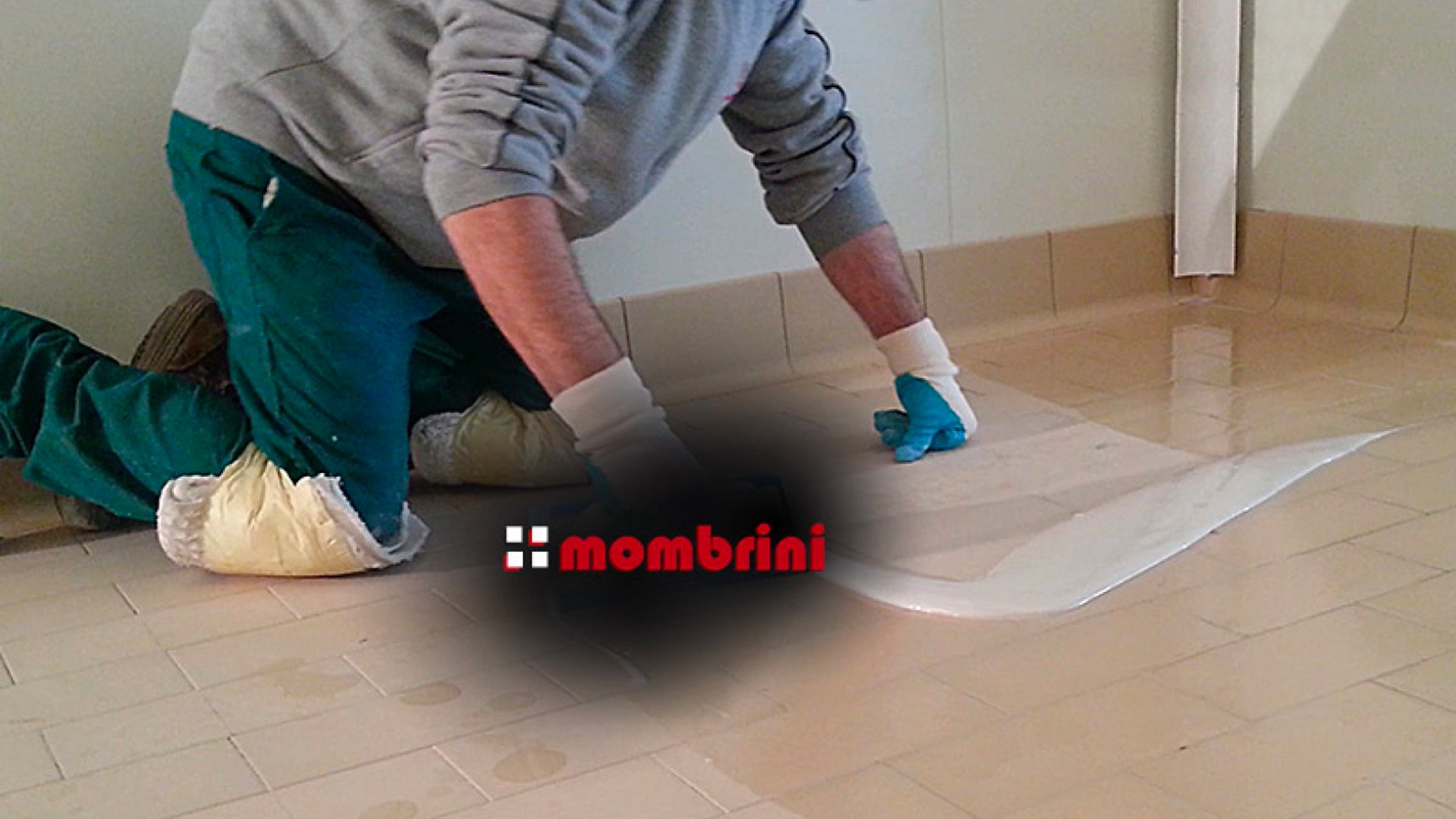
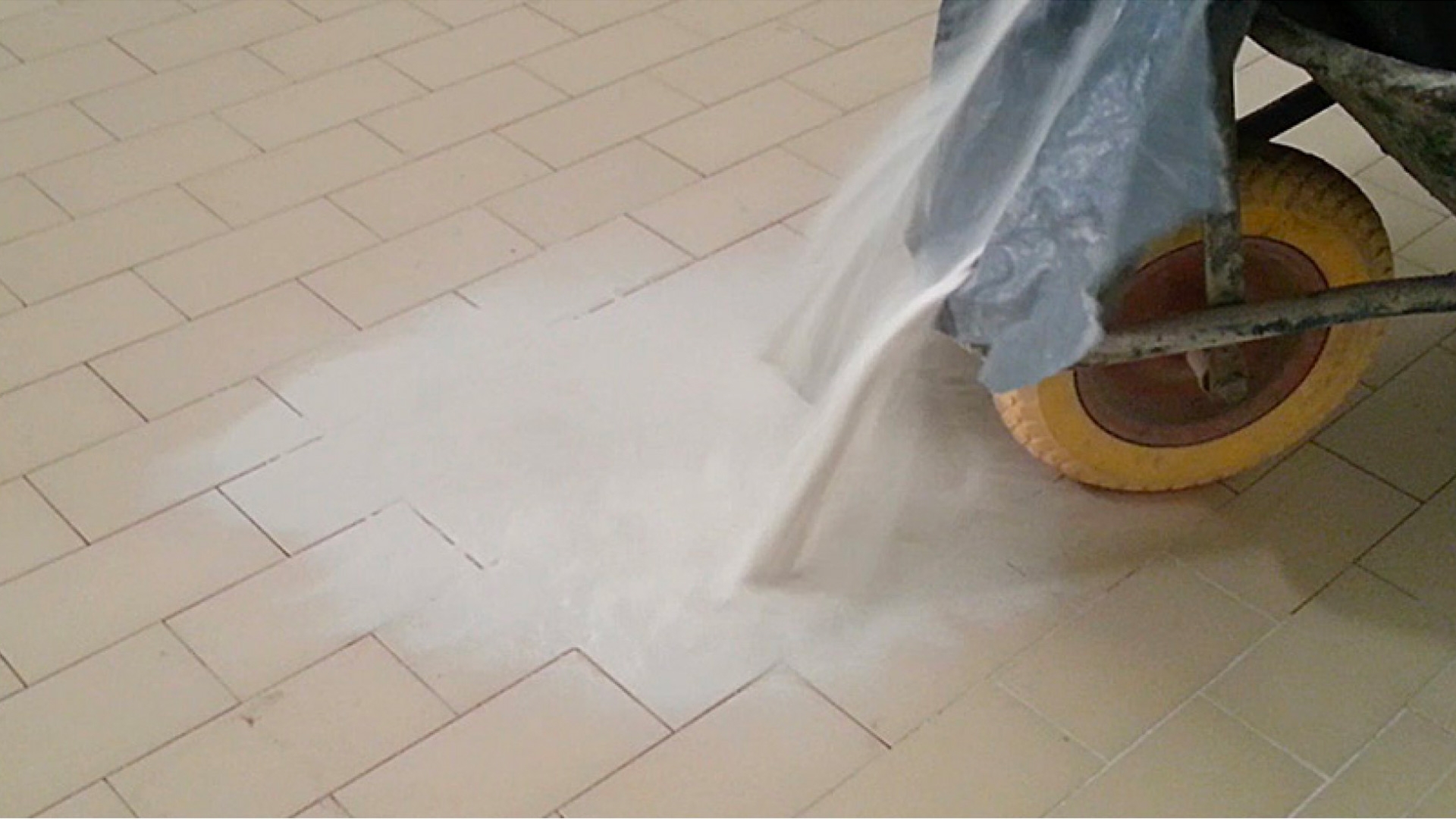
It can be considered the most critical point of any flooring system, yet at the same time the strength of MOMBRINI’s technology. Eposystem (detailed technical datasheet available) is a three-component grout for acid-resistant joints in klinker or ceramic floors, designed to withstand the stresses of industrial environments. It consists of an epoxy resin base (comp. A), a specially formulated amine hardener (comp. B), and a multi-grain quartz filler mixed according to a distribution curve that ensures optimal compactness of the mixture.

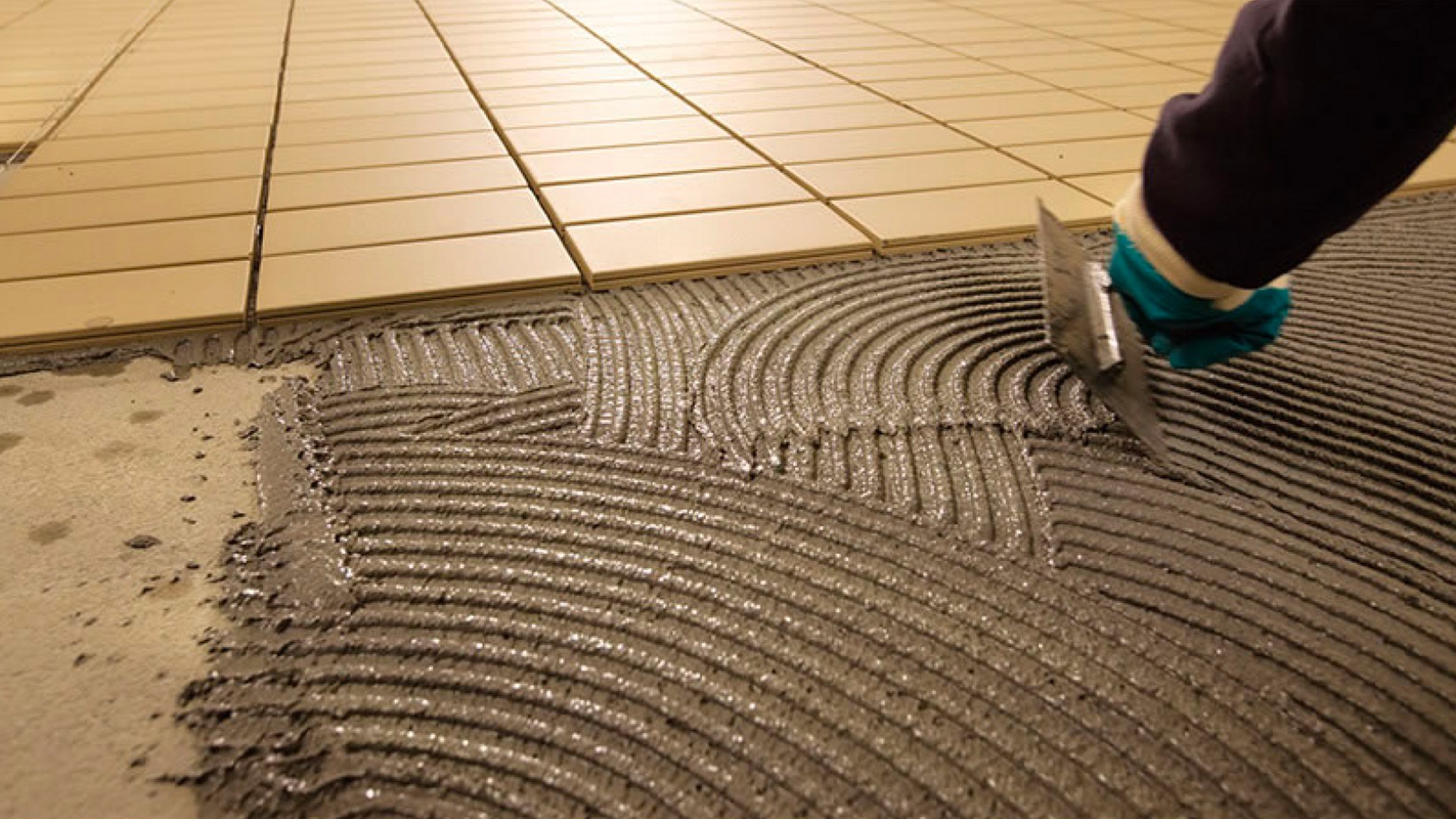
Eposystem has the appearance of damp gray sand and can be applied with a 12 cm trowel in standard jointing (or with a special spatula for continuous joints). It hardens chemically within 6–8 hours with negligible shrinkage.

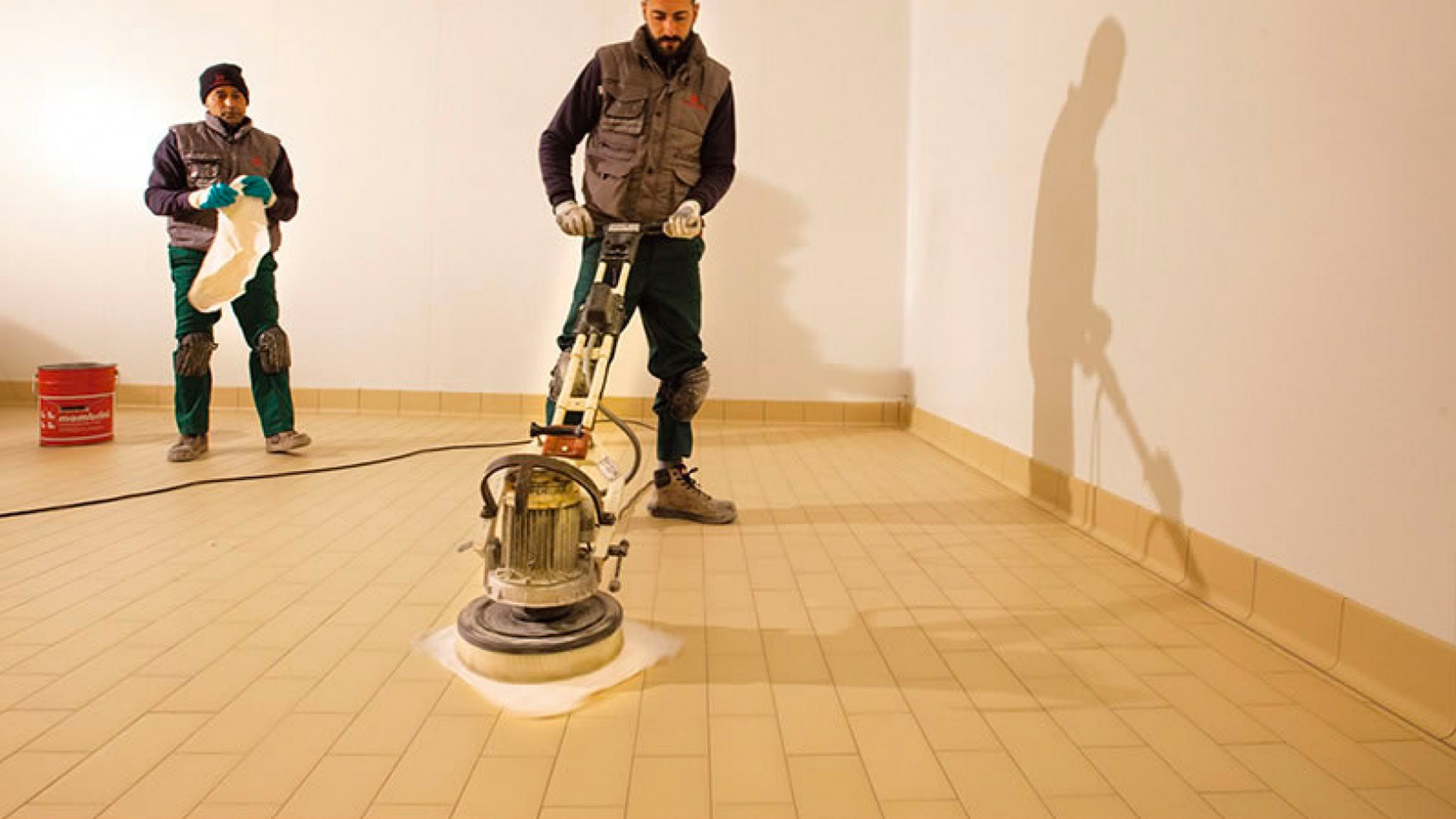
The careful analysis of variables—including the catalyst characteristics, the correct mixing of quartz grain sizes, the on-site preparation of the mixture, application by specialized workers, and finally cleaning using appropriate detergents and special machinery for rag preparation and flush-level joint finishing—summarizes a study that began in 1962 and is certainly still evolving.

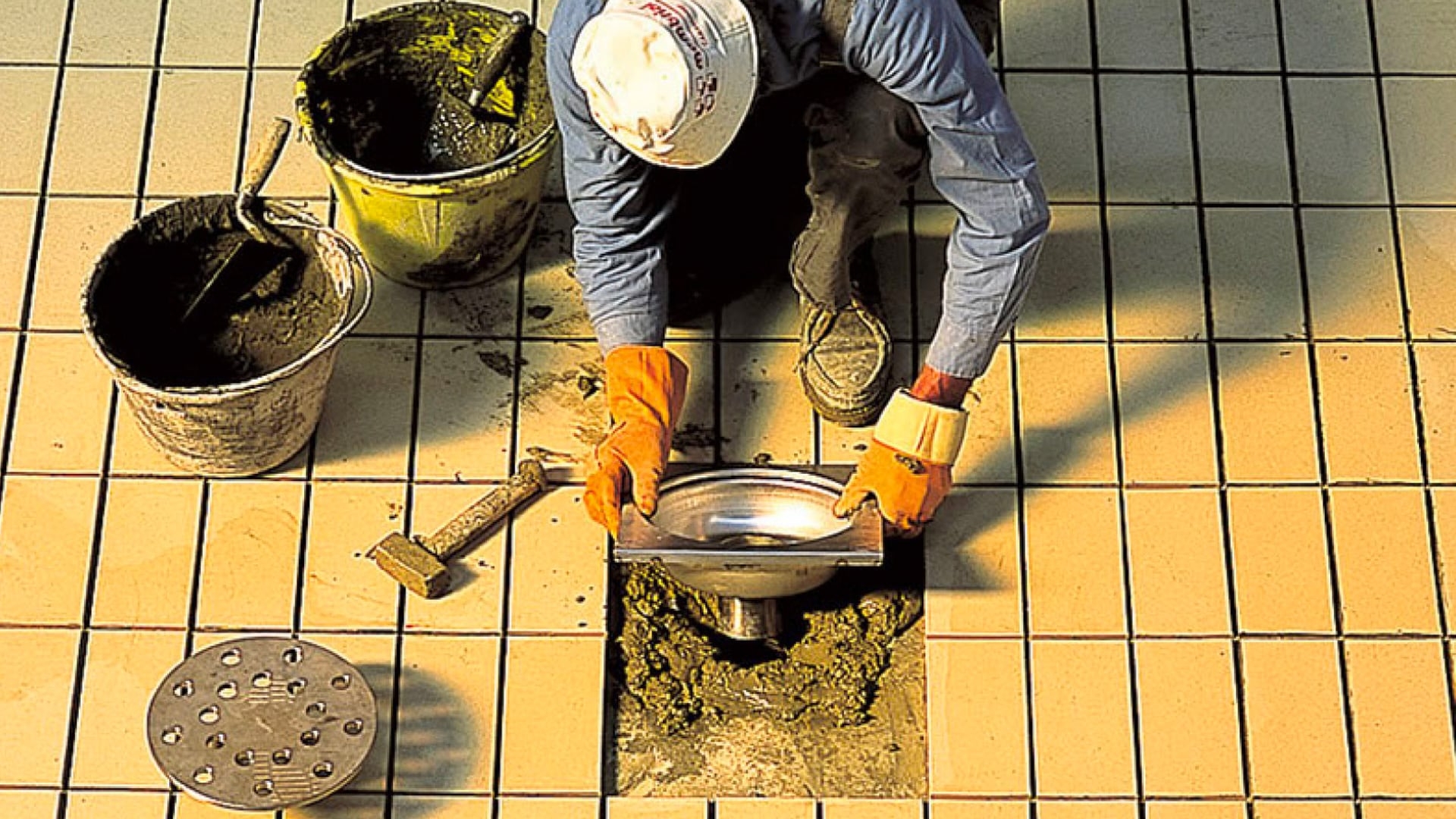
The same considerations apply to sealing existing gaps between transition strips and the floor, between strips, between tiles and inspection covers, and also for manholes. The chemical-physical properties of the epoxy resin make it ideal even in the most aggressive conditions, making tiled floors highly durable in the areas most prone to infiltration, which are often the source of the most serious problems.

Accessories
Accessories
Accessories
Accessories
Certifications
EXAGRES "fugato" mm 120 x 245 18

released by Bologna's Ceramic centre 

Request download
EXAGRES "unito" mm 120 x 245 18

released by Bologna's Ceramic centre 

Request download
ABK SERIE FERRUM "fugato" mm 115 x 240 x 20

released by Bologna's Ceramic centre 

Request download
ABK SERIE FERRUM "unito" mm 115 x 240 x 20

released by Bologna's Ceramic centre 

Request download
r SOA 2023
Request download